Save 15% on river trip planning when you gear up at Gear Junction or Wet Dreams

A Woman’s Perspective on Whitewater Rafting
A woman’s perspective on whitewater rafting, river culture, multiday trips, and the lessons learned earning a place on the river.
Carrie Raissle
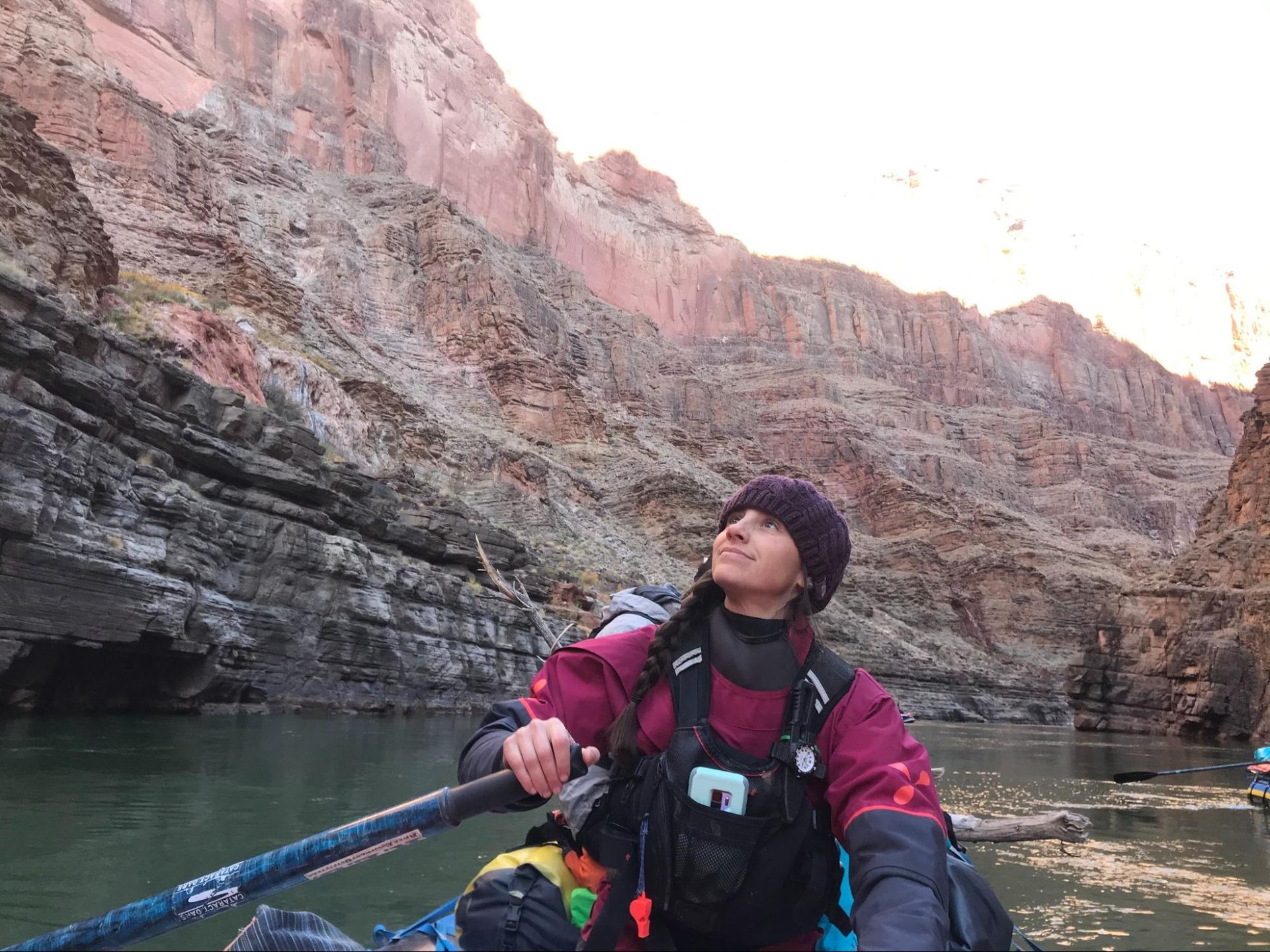
I remember being a 21-year-old kid, green to the world of whitewater. The air was freezing; it had just snowed the night before, but we went rafting anyway. The water was crystal clear and green. I remember the feel of the rubber beneath me, the way the boatman steered us through the tangle of rocks and splashing spray. I was in awe. I took it all in as if I had just been born that day, and the world was only this river and me. I was the only woman in my training class, and I remember the quiet determination in me; I was going to prove I belonged there.
I started rafting on eastern rivers like the Chattooga and the Ocoee, and at the time, those places were still far behind the West in their acceptance of women in boating. The culture was different, more chauvinistic in some ways, and it shaped how we showed up on the water. There was a dissonance between expectations and what we were actually capable of.
Spring high water on the Chattooga in bucket boats (DIB boats) was not something to take lightly. Only the best of the best were allowed to guide at those levels. It was big, fast, and frankly, terrifying.
I had to fight hard to prove myself worthy of those trips. I was small and skinny, and did not have much experience, but what I lacked in size and time on the water, I made up for with heart and an unwillingness to give up. Much like Rudy, I just kept showing up.
Only one man stood up for me and fought for my right to be there. He saw what I could do and advocated for me when I could not yet fully stand on my own credibility. And in the end, I got the opportunity. I ran it.
But the truth is, the struggle for women to belong on rivers did not begin with me, nor even my generation. Long before I ever picked up a paddle or an oar, women were already pushing against those same boundaries. In places like the Grand Canyon, pioneers such as Georgie White were running the Colorado River in the 1950s and beyond, carving out space for women in one of the world’s most iconic and demanding river corridors. Hers and countless other brave women’s presence and persistence became part of the foundation we now stand on.
As a woman who started rafting in the early 2000s, I was not told that lineage. It was not until years later, and moving out West, that I heard about those courageous Women. Women have always fought for their place in a world dominated by men, but especially in sports like whitewater rafting, outdoor adventure travel, and river guiding, where strength and courage are the rule, we were often seen as unable to do it. So many days on the water and off felt like a test of our ability to keep up and do better than the men. We often felt like we had to work twice as hard, stay composed, and push through without complaint.
We were constantly mocked, made fun of, and put down, not to mention the sexual harassment that many of us endured but rarely spoke of. The Me Too movement had not yet emerged in a way that allowed many of us to name what we were experiencing or be heard as victims. We were the women of the river, and that was just one more thing we had to navigate to belong.
All we wanted was a fair chance, to be seen for our worth, and to prove that we were not only capable, but deeply competent in our own right.
You see, where men can often muscle their way through a tough situation, we have to find finesse. We learn to become one with the river, to listen to her, understand her, and move with her to get through. Many of us experience a different kind of relationship with the river, not better or worse, just different.
Women belong on the river, and we have fought hard to be there. On rivers across the world, the story is similar. We have finally earned our place as river runners and are held in greater respect and esteem.
I am here to share some things I have learned as a woman of the river in hopes that anything I share may be helpful to someone else.
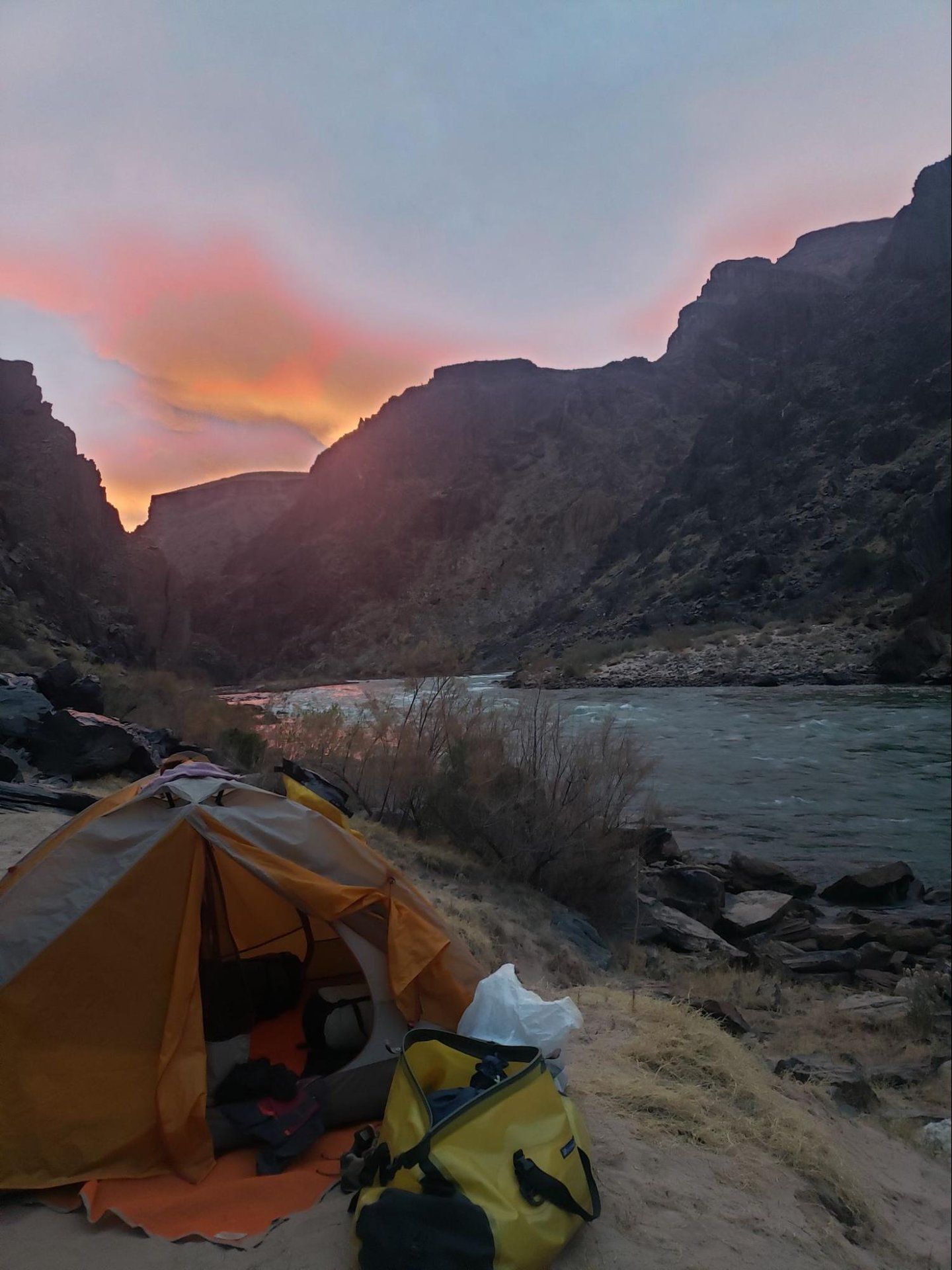
Essentials to Pack for Multiday River Trips (River Gear Checklist)
Consider bringing baby wipes, not just for your tushy but for the rest of your body as well. All-natural baby wipes can be critical when you either do not want to bathe in freezing water or want to help retain some of the skin’s moisture while cleansing.
Face wipes. In addition to baby wipes, face wipes are wonderful to have on a multiday river trip. Some nights or mornings, gathering up the fortitude to complete all of the steps it takes to wash your face with a traditional cleanser is just too much, especially when you are on the cooking crew and already have to start your morning earlier than others in your group.
Pump lotion. A lotion that comes in a pump is a fabulous addition. It keeps sand out of the lotion, and you can close the pump top without worrying about it leaking into your bag. That said, I still store mine in a ziplock bag just in case. Lotion is essential to a multiday river trip. You do not want cracked fingers, hands, and feet.
Hand and muscle salve. Any salve you can apply to your hands, feet, or sore shoulders is a welcome reprieve. One made with healing herbs for dry hands, which you can apply before bed, is a nice treat as you fall asleep.
Menstrual Cycles on the River (Camping & Rafting Logistics)
For women, we have to consider where we are in our cycles to plan our trip accordingly.
Some women like to use menstrual cups on the river. This is not my preferred method, but I have heard good things.
Since all river corridors follow Leave No Trace principles, and we pack it in and pack it out, we have to figure out a way to dispose of menstrual waste properly. I have found that discreetly bringing extra toilet paper and a small plastic bag to dispose of tampon waste are great additions when you go to the groover.
Cotton underwear for camp. It really is such a comfy feeling at the end of the day on the river.
Loose, flowy dresses or comfy pants at camp. During the summer, dresses after a day on the water are a great way to avoid the direct physical pressure of shorts you have been wearing all day.
Warm a nice, round rock by the fire and, once it is warm enough to touch, but not too hot to burn your skin, it makes a great makeshift heating pad. You can also bring an old school hot water bottle and boil some water on the stove before bed.
Of course, NSAIDs or other mild over-the-counter pain relievers should always be kept on hand for when the pain is just too much.
Do not be afraid to ask for help. I know our society tells us that we have to keep up and act like nothing is going on, but the truth is that we have a lot going on. Asking for help is not a weakness; it is a strength. Your friends are more than willing and ready to lend a hand.
Staying Warm on River Trips (Cold Weather Rafting Gear)
Layers, layers, layers. Whether you have a dry suit or not, layering is a key part of staying warm on cold days. Synthetic, lightweight, moveable layers are such a great way to not feel like the Stay Puffed Marshmallow Man but keep your insulation.
A thermos of a hot beverage. Tea, hot chocolate, or coffee on cold mornings is an excellent way to keep your hands warm and also keep a positive mental outlook on the day.
Hats and gloves. A warm wool hat and wool gloves are perfect for chilly days on the water. They keep you insulated and are easy to store once things warm up for the day, if needed.
Cozy socks just for bed. I cannot recommend a pair of fuzzy camp socks enough. These you keep in your dry bag and just pull them out at night for sleeping. They keep your feet warm and provide an extra spark of joy as well.
Rowing and Paddling Tips for Women
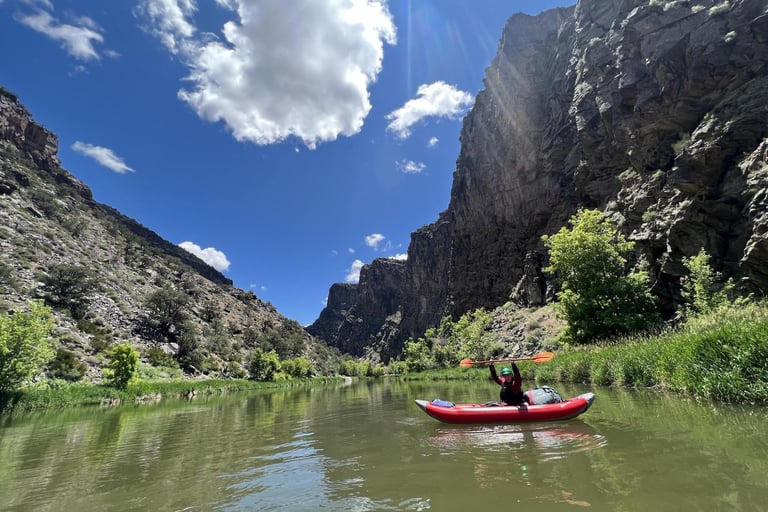
One of the most important things I have learned is that finesse is always better than brute strength. Set your body up so you are working with the river and not against it. A balanced oar setup with a close rowing box saves your shoulders over time. There are plenty of forums on Mountain Buzz discussing this, and if you need more help, ask around.
Pay attention to your foot brace and body position. If your foundation is solid, everything else becomes easier. Even small adjustments can make a big difference in stability and power. Smaller-framed women need to use their whole body rather than just their arms in whitewater.
Do not be afraid to take up space on your trip. Speak up early if something feels off or if you need to rest. Communication is part of safety, and your voice matters just as much as anyone else’s.
Learn to read water in a way that feels intuitive, not rushed. Take your time, and don’t overthink it. Trust yourself. You know what you are doing even if everyone else chooses a different line.
Build strength off the water that supports building muscle and balance, not just intensity. Consistent functional strength, core stability, and shoulder resilience will make an impact on your endurance during long days on the water.
And finally, remember that confidence on the river is built, not given. Finding other women to boat with is a wonderful way to build confidence and support. We are all on the same team and are here to support each other. One rapid at a time, every mistake, every clean line, this is the way we get better. And don’t forget, you belong in the boat!
Thanks for reading! All of us ladies must stick together and show support where we can. There are plenty of women’s rafting groups out there, so look for them in your local area, and I am always here anytime you want to reach out and talk shop. Happy boating!
Navigating the details, so you can run the river.
At Moki Canyon I remove the stress of trip planning so you can focus on what really matters, the joy of river running. With nearly two decades of river experience, I bring the enthusiasm of the water to every detail of your trip. Creating a fully customized plan for you and your river tribe.
© 2026. All rights reserved. Created by Nectagrity
Moki Canyon LLC | Based in Grand Junction, CO