Save 15% on river trip planning when you gear up at Gear Junction or Wet Dreams

Beginner’s Guide to Whitewater in Colorado
New to rafting and not sure which river sections to start with? Have a raft but never taken it out on the water? You’re in the right place.
Carrie Raissle
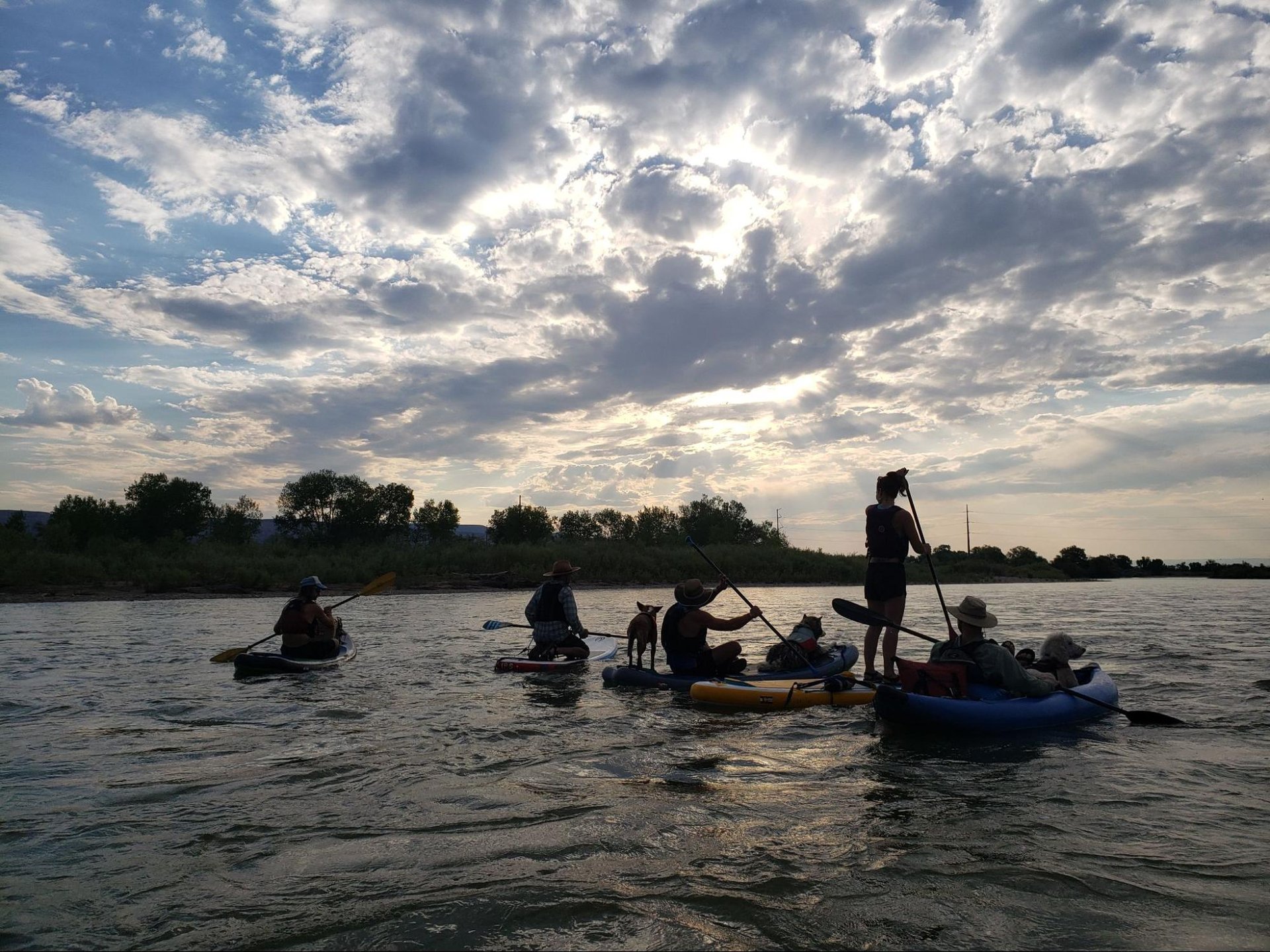
Before you hit the river, there are some essentials to cover for safety and smooth sailing. First, having the right personal flotation device (PFD) and helmet are non-negotiable, especially if you’re not going with a commercial outfitter who provides them. Safety gear isn’t optional; it’s your lifeline on the water.
Beyond gear, understanding river etiquette is key, especially on popular stretches that see both heavy commercial and private use. When unloading your gear, keep everything together in a neat pile and avoid blocking the entire boat ramp. Be respectful of others waiting to launch, move efficiently, and don’t be “that guy” holding everyone up. Remember, many launch spots are small with heavy foot and vehicle traffic, and some require parking fees or permits. Have a clear shuttle plan, make sure everyone in your group knows where vehicles will be parked, and coordinate so you don’t clog up access points. Doing this as a beginner will impress us old-timers, earn you brownie points, and make the whole day flow much more smoothly for everyone. Oh, and be nice! Rafting is fun, so let’s just be responsible, and we can all enjoy our rivers.
It all begins with being safe! To truly enjoy the river, you need to know what to do when things go wrong. Before you put your beautiful rig on the water, I highly recommend taking a Swift Water Rescue Technician Class. These 3-day courses, taught by whitewater professionals, cover worst-case scenarios so you don’t put yourself or your boating partners in danger by being ill-prepared. Trust me, your shiny new gear (and your friends) will thank you. Having a solid baseline of river knowledge also prepares you for those beautiful multi-day trips you’ve always dreamed of.
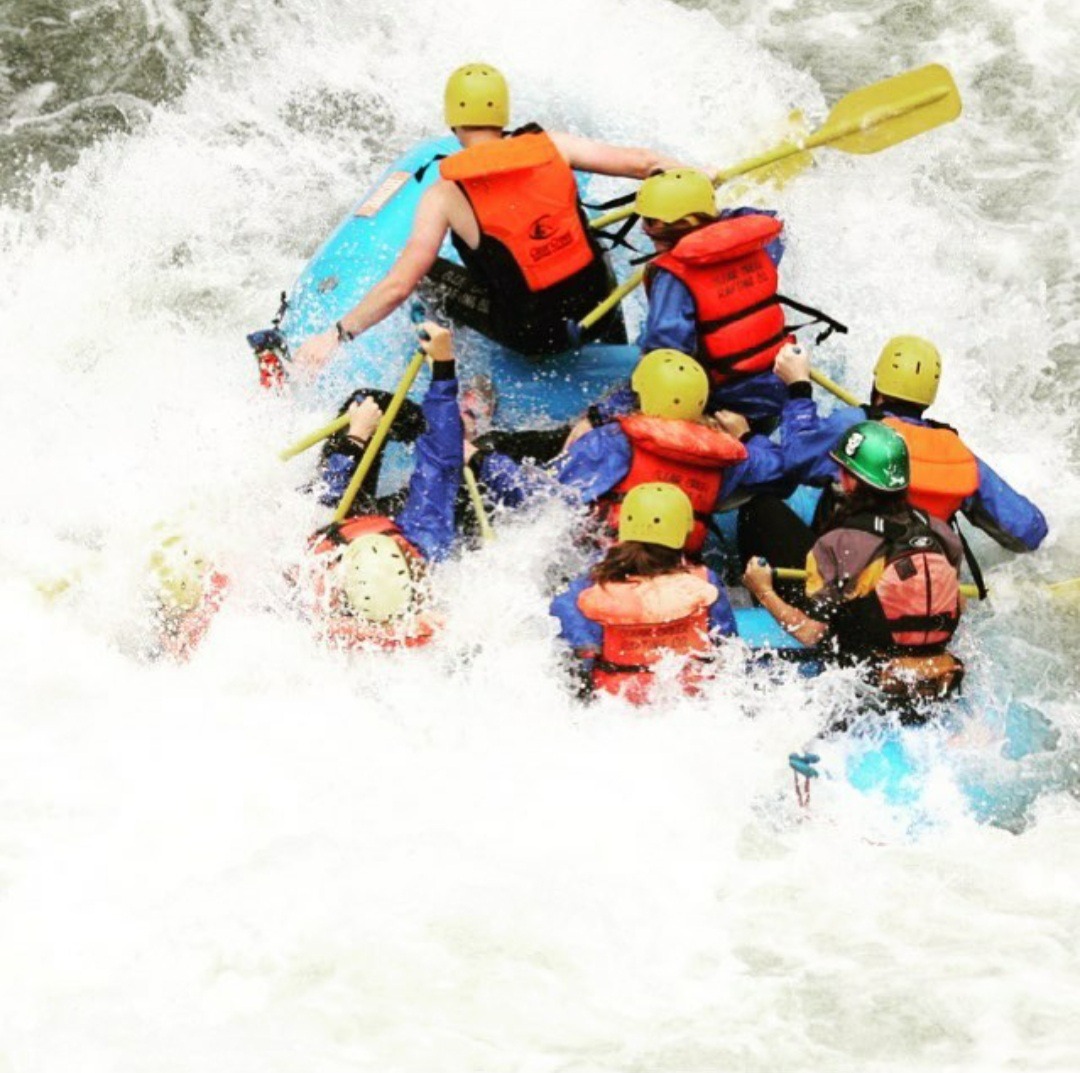
For more information on safety classes, multi-day trip logistics, personal gear recommendations, or packing tips, this is my area of expertise. Feel free to shoot me an email, and I’d be happy to help you find a class or resources near you!
I also suggest taking a basic first-aid and CPR class. These are easy to find and usually don’t take much time, but come in handy when your friend scrapes a knee, your sister has a bellyache, or your child gets a blister. Plus, they help you keep a cool head in emergencies so you can assist others with more medical training.
That being said, let’s get into the fun part! Below, I’m sharing some beginner-friendly river sections across Colorado where you can get your feet wet. I’ll break down each section by name, location, what to expect, and whether paddle rafting or rowing is recommended.
For detailed put-in and take-out info, check out American Whitewater’s website
There are many more beginner sections beyond this list, but this is a pretty comprehensive guide to get you started anywhere in Colorado.
Whitewater Boating for Beginners
Clear Creek (Chicago Creek to Kermits, Idaho Springs)
The Clear Creek section from Chicago Creek to Kermits starts right in downtown Idaho Springs, about 45 minutes from Denver along I-70. It’s a classic whitewater run best suited for paddle boating. At high water (500 CFS and above on the Lawson Gauge), this stretch moves very fast and makes it tough to catch eddies or take out at Kermits (just off Hwy 6 toward Golden/Black Hawk). Medium flows (300 to 500 CFS) offer a technical but splashy, fun experience for the whole family, while low water (below 300 CFS) slows the river down and increases technical challenges. Although Clear Creek runs directly alongside I-70, it remains a beautifully scenic section of river. Just downstream from Chicago Creek, you’ll float past the iconic Idaho Springs waterwheel (a stunning local landmark) and under a few town bridges where you can wave at passersby. Bighorn sheep are also common in this historic mining area. Rowing isn’t recommended here except for small craft at very high flows, so overall paddling is the better choice. If you prefer to go with a commercial guide, there are plenty of rafting companies to choose from, but I recommend Clear Creek Rafting Co.
Arkansas River: Big Horn Sheep Canyon Section (near Canon City)
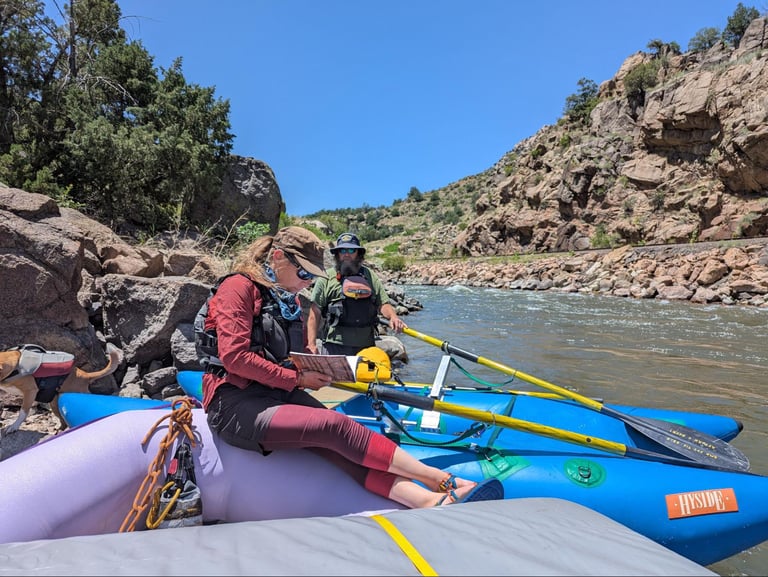
The Pinnacle Rock to Parkdale stretch of the Arkansas River (often called Big Horn Sheep Canyon) is one of my go-to recommendations for beginner paddlers and oarsmen looking for a fun, sporty first run. This 8–9 mile section takes you through a beautiful granite canyon with frequent bighorn sheep sightings. It features mostly Class II-III whitewater, including the well-known Three Rocks rapid (Class IV above 2,500 CFS; this section does have an alternative put-in to avoid Three Rocks, see American Whitewater’s website for details). This section’s rapids make it really fun without being boring. It is recommended for beginners at flows between 700 and 1,500 CFS. The run starts at Pinnacle Rock Recreation Site and finishes at Parkdale, both easy, well-established access points. This ‘pool-drop’ section offers plenty of chances for recovery if a swim occurs, and the ability to relax and enjoy the scenery. Boats ranging from small to medium rafts (10–15 feet), inflatable kayaks, and hardshell kayaks all work well here. Both paddling and rowing are great options. This section’s technical features provide a good opportunity to develop stronger paddle boat or rowing skills. This section is a solid choice for anyone wanting to learn on bigger water and have fun doing it.
Arkansas River: Brown’s Canyon (Buena Vista)
Brown’s Canyon on the Arkansas River is a classic beginner-friendly stretch that offers just enough excitement to feel adventurous without being overwhelming. Flowing through a designated wilderness area between Hecla Junction and Stone Bridge (or Salida East), this 10–11 mile run features mostly Class II rapids with a few Class III’s. Beginners tend to feel most comfortable at flows between 700 and 1,200 CFS, perfect for those learning how to read whitewater, especially with experienced boater guidance. The pool-drop nature of this section provides recovery time between rapids and a bit of forgiveness if someone ends up in the water at lower flows. The scenery is a huge part of the experience, towering canyon walls, pine forest, and long stretches of calm water between rapids make it feel both wild and welcoming. Boats ranging from small to medium rafts (10–14 feet), inflatable kayaks, and hard-shell kayaks all work well here. Both paddling and rowing are solid options. The technical nature of the rapids provides a great opportunity to build both skills. With well-established put-ins and take-outs, and plenty of time to relax between splashy sections, Brown’s Canyon is a fun, scenic introduction to boating in Colorado.
Upper Colorado (the Upper C) (near Kremmling)
The Upper Colorado River, especially the stretch from Pumphouse Recreation Area to Rancho del Rio or State Bridge (7 miles), is one of the most approachable and beginner-friendly river sections in Colorado, making it a favorite for first-time paddlers and oarsmen. This section is primarily Class I–III, with wide channels, fun, manageable rapids, and long calm stretches that allow beginners to settle in, practice boat control, and read water without feeling rushed or intimidated. It’s considered family-friendly at flows between 500-1,500 CFS, when rapids are fun without creating super technical challenges. The scenery is open and expansive, with rolling hills, cottonwood groves, and big-sky views that give the run a lovely family-fun vibe. Boats in the 8–16 foot range work well here, including inflatable kayaks, hardshell kayaks, and packrafts. Both paddling and rowing are popular on the Upper C; paddling is a great option, and beginner rowers thrive, making it a great place to develop both skill sets. With multiple well-established put-ins and take-outs, easy logistics, the Upper C is an ideal choice for easing into river running while enjoying a beautiful day float.
Colorado River: Ruby Horsethief Canyon (Grand Junction)
The Ruby–Horsethief Canyon section of the Colorado River is a standout beginner option on the Western Slope and an excellent introduction to longer river travel. This 25-mile stretch runs from Loma Boat Ramp to the Westwater take-out (in Utah) and features mostly Class I–II rapids with a few mellow, splashy spots that are straightforward and non-intimidating. Flows between 1,500 and 6,000 CFS are generally ideal for beginners, offering enough water to move through the flat spots without getting too fast. While it can be done as a very long day trip, Ruby Horsethief truly shines as an overnight float and is often considered a perfect first overnight rafting experience. Camping in the canyon requires advance permits reserved through Recreation.gov, which are highly sought after and should be planned well ahead of time. This section introduces beginners not just to overnight logistics but to the responsibility that comes with them: pack-it-in, pack-it-out ethics, proper waste management, and adherence to seasonal fire bans from Memorial Day through Labor Day. All boat types are welcome here; I’ve seen canoes, kayaks, SUPs, and fully loaded 18-foot oar rigs navigating this stretch. Ruby offers plenty of time and space to learn without stress or worry about big rapids ahead. It’s perfect for practicing ferry angles, catching eddies, and learning to stay in the current.
At higher flows (above about 10,000 CFS), things get serious. Campsites can be tough to access due to fast currents, leaving little time to jump out and catch the boat on shore. Swirling eddy lines turn into tube suckers that pull boats toward hazards. Plus, the black rocks area becomes a real challenge, creating tricky obstacles demanding sharp boat control. This section is beautiful and immersive, with red rock canyon walls and quiet desert energy, but above 10,000 CFS, it requires more experience and caution. For beginners, sticking to moderate flows is best to enjoy the river’s rhythm and responsibilities without added risk.
Lower Eagle River (Vail/Beaver Creek)
The Lower Eagle River, typically run from Edwards to Chambers Park (above Rodeo Rapid), is a great beginner-friendly option in the Vail Valley for paddlers and oarsmen looking to step into whitewater with a bit more skill. This stretch is about 7–8 miles long and features mostly Class II-III whitewater. It’s beginner manageable at flows between 500-1,200 CFS, when the river has enough water to be fun without the larger features, fast current, and technicality of high water. Ideal boats range from small to medium rafts (10–14 feet) to inflatable or hardshell kayaks, with paddling offering a better experience in the quicker, more technical rapids. The Lower Eagle has a lively, engaging feel, with quicker pacing between rapids than some larger rivers, but it remains balanced by recovery pools. With easy access points, consistent action, and a fun, sporty character, this section is a solid beginner choice for anyone on Colorado’s central mountain corridor who wants to build skills and confidence while having a genuinely fun ride.
Filter Plant Run (Poudre River, Fort Collins) (short float)
The Filter Plant Run of the Poudre River, running about 4 miles from the Fort Collins Water Treatment Plant (Gateway Natural Area) to the Putnam Street take-out (Picnic Rock), is a popular beginner stretch for paddlers wanting a short, accessible taste of whitewater right near town. This run features mostly Class I–III rapids, perfect for getting your feet wet and practicing rafting skills. Flows between 600 and 800 CFS provide a solid run. Smaller boats like inflatable kayaks, packrafts, or hardshell kayaks and paddle rafts around 8–12 feet are great here, since the river is narrower, paddling is definitely the way to go. With easy access points and quick logistics, the Filter Plant Run is a great beginner-friendly paddle that makes for a perfect half-day outing near Fort Collins.
Animas River (Town Section, Durango)
The Town Run of the Animas River in Durango is a super accessible and beginner-friendly stretch that flows right through town, making it perfect for a quick paddle or float with easy put-in and take-out spots. One thing to keep in mind, the put-in is very busy, and river etiquette is essential here. Get your stuff ready before you go to the boat ramp. This run is about 3 miles long and features mostly Class I–III rapids; the largest are in the man-made whitewater park in town. Flows between 500 and 1,500 CFS are a great beginner level. Smaller boats and rafts (8–12 feet) are ideal here, though I did take my 16-foot boat down this section at high water. The river runs through urban areas with some narrow spots and low obstacles (at least one bridge that I recall). Paddling is preferred for beginners on the Town Run, while rowing is rare and less practical due to the tighter channels and the run’s short length. With its convenient downtown location, the Animas Town Run is a fantastic introduction to river paddling for locals and visitors alike.
Colorado Rivers
These rivers are my top recommendations across the state, covering some of the best beginner runs to help you get started. As always, do your homework! This is just a VERY brief overview. If you’re ever unsure, consider going with a commercial outfitter to get a feel for the whitewater. It’s always better to play it safe than to end up “in over your head,” both literally and metaphorically.
Keep an eye on river flows, reach out to your local whitewater shops for recommendations and advice, and check American Whitewater for up-to-date logistics. The Mountain Buzz forum is also a great community resource for insight and input. Some, if not all, of these sections have river maps available for purchase, which are worth studying before you launch. If you’re in the Grand Junction area, Gear Junction offers a wealth of community resources and classes specifically for beginner rafters. Stay safe, have fun, and see you out there!
Navigating the details, so you can run the river.
At Moki Canyon I remove the stress of trip planning so you can focus on what really matters, the joy of river running. With nearly two decades of river experience, I bring the enthusiasm of the water to every detail of your trip. Creating a fully customized plan for you and your river tribe.
© 2026. All rights reserved. Created by Nectagrity
Moki Canyon LLC | Based in Grand Junction, CO