Save 15% on river trip planning when you gear up at Gear Junction or Wet Dreams

Raft Trip Essentials: What to Wear + Packing Checklist
Multi-Day River Rafting Personal Gear Guide • What to Wear Rafting • River Trip Packing List
Carrie Raissle
Often, the hardest part of a multi-day river rafting trip isn’t the whitewater; it’s actually getting to the river prepared.
If you’re wondering what to wear rafting, how to pack for a multi-day river trip, or what gear you actually need to stay comfortable on the water, this guide has you covered.
Packing for a river adventure can feel stressful if you’re not sure what to bring or what to wear to stay safe, warm (or cool), and comfortable out on the water. I’m here to take that stress out of the equation by giving you a step-by-step guide to packing for your next multi-day expedition.
Whether it’s 3 nights or 30, the risks are the same. Exposure and rapidly changing weather conditions can quickly become your worst nightmare, especially if you forgot your wool socks in December.
And while you can never fully trust the weather forecast, it does give you a decent best guess. When packing for any multi-day trip, check the weather 3–5 days (max) before your launch date to get the most accurate and up-to-date information.
So let’s break it down by season, weather conditions, and what to pack for each.
Spring & Fall (Late Spring / Early Fall in the Southwest)
During late spring and early fall in the Southwest, the weather can change dramatically. Daytime temperatures may soar into the 90s, while nighttime temperatures can drop to near freezing.
These trips are arguably the hardest to pack for because you need everything. They also come with lots of confusing questions, like:
Will it rain?
Will we want to swim during the day?
Do I really need my zero-degree down sleeping bag?
Once you have a solid weather estimate, you can begin packing your personal gear.
A note on cotton:
The golden rule for spring and fall trips: avoid cotton on the water (camp is fine).
As we always say, “Cotton is the fruit of doom, not the fruit of the loom.” Cotton gets wet and stays cold. It’s perfect for hot summer days, but not ideal during spring and fall rafting.
Warm hat (bring two)
I cannot stress this enough: a good wool hat is essential. The moment the sun goes down and the temperature drops, you’ll be grateful.
I always bring two:
One stashed in my personal raft bag for rain or cold on the water
One designated camp hat
Gloves
Gloves are clutch. NRS makes solid neoprene rowing gloves, and a pair of wool gloves is great for non-rowing raft days.
Camp gloves are optional unless the forecast looks especially chilly, but nice to have if you tend to run cold.
Layers, layers, layers
Quick pause (real talk): If this guide is already calming your packing anxiety and you want more river tips like this (gear, food, trip planning, logistics, and how not to freeze your butt off), make sure you go to my website and contact me. I can provide a range of services from practical river wisdom, stories from the water, and seasonal packing reminders so you don’t have to reinvent the dry bag every trip.
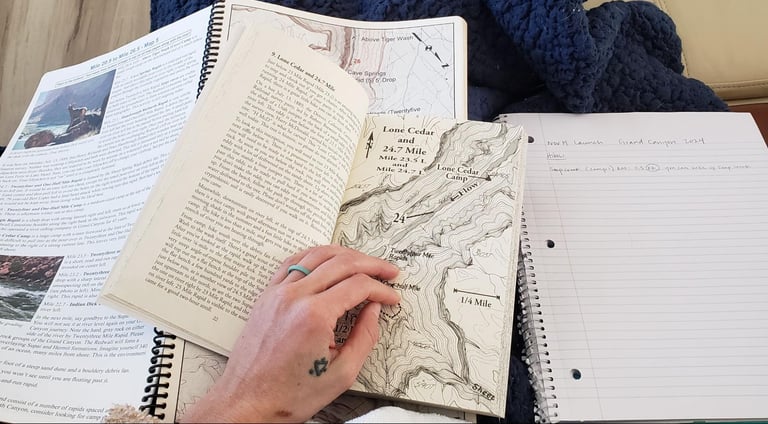
Layers are your best friend on these trips (top & bottom). Capilene, wool, or other synthetic (non-cotton) layers are excellent choices on the water.
You can peel layers off as the day warms up and stash them in your personal deck bag for easy access. Thin layers keep you warm without sacrificing precious dry bag space.
Splash gear vs. dry Suit
This can be a game-time decision.
I get cold easily (and I hate being cold), so I often bring my drysuit, especially if there are a lot of whitewater days. A favorite saying applies here: “Better to have it and not need it than to need it and not have it.”
You can always pack a drysuit and never use it. But getting out there, wishing you had one? Brutal.
Remember: it’s much easier to cool down than it is to warm up.
Hiking clothes
Spring and fall are prime hiking seasons. The weather is moderate, peak season is either just starting or winding down, and the trails are less crowded.
Bring at least one good hiking outfit (two if it’s a longer trip). I love quick-dry hiking pants that zip off at the knee so I can switch to shorts if needed.
A sunhat is extremely valuable on hikes (though a ball cap works just fine too).
Shoes
I recommend three pairs of shoes:
Sandals (Chacos or Tevas)
River shoes for rapids (Astrals or NRS)
Hiking boots
This setup covers all your bases, and if one pair fails, you’re not stranded barefoot.
Socks (seriously)
I bring separate socks for water and for camp…and I never mix them.
How many pairs you bring depends on trip length, but remember the wisdom of Lieutenant Dan in Forrest Gump: keep your feet dry, especially on long expeditions.
Wool socks are perfect for rafting, hiking, and camping.
It’s always a good idea to throw in a swimsuit just in case you can take a refreshing dip!
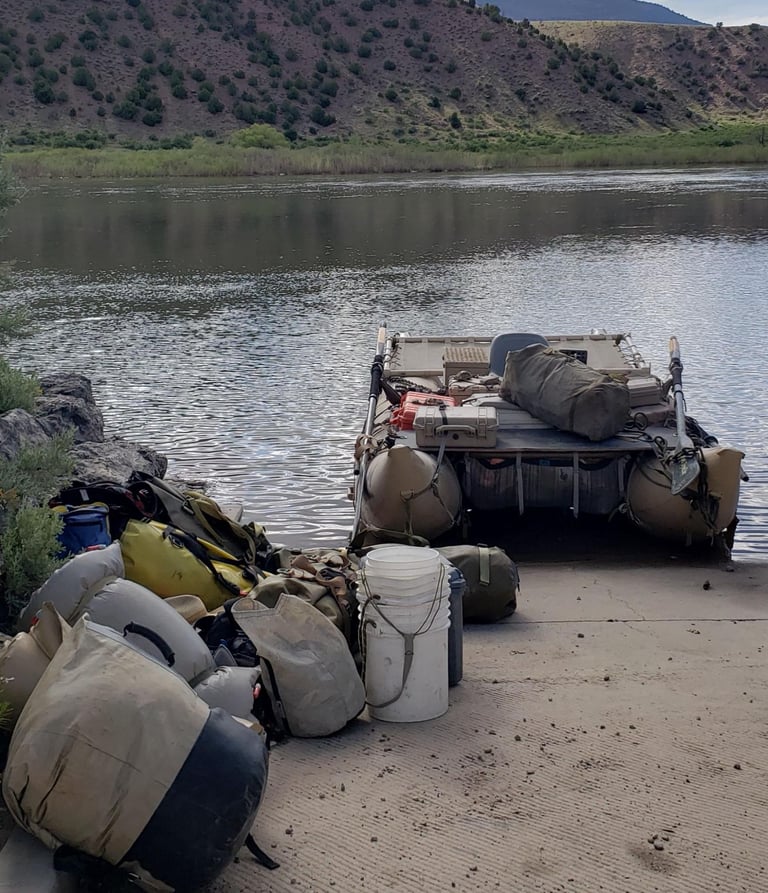
Summer Months
Summer rafting in the desert Southwest is far more straightforward: it’s going to be HOT.
Bring a bathing suit, sunhat, sunblock, cotton or synthetic long-sleeve shirts, and lots of water.
During peak summer, there’s often no relief from the sun. Staying cool and hydrated becomes the name of the game.
This is where cotton really shines. Wet a cotton shirt, and it will cool your body instantly.
For bonus “air conditioning,” grab a sarong, get it wet, and drape it over your shoulders, legs, or head when the heat becomes overwhelming.
Sandals with heel straps (Chacos, Tevas, and the like) are your best friends in the summer. They protect your feet from hot sand and are totally water-friendly. Hiking boots are also an important addition, especially for longer hikes. They shield your feet from the relentless sun and, more importantly, from cactus encounters. Trust me, you do not want to be wearing sandals when you accidentally kick one of those guys. Ouch.
If you’re heading out on a multi-day trip with temps well over 100 degrees, bring a cotton bedsheet. Wet it before bed and sleep under the slightly damp sheet.
It sounds strange, but trust me, it’s a lifesaver.
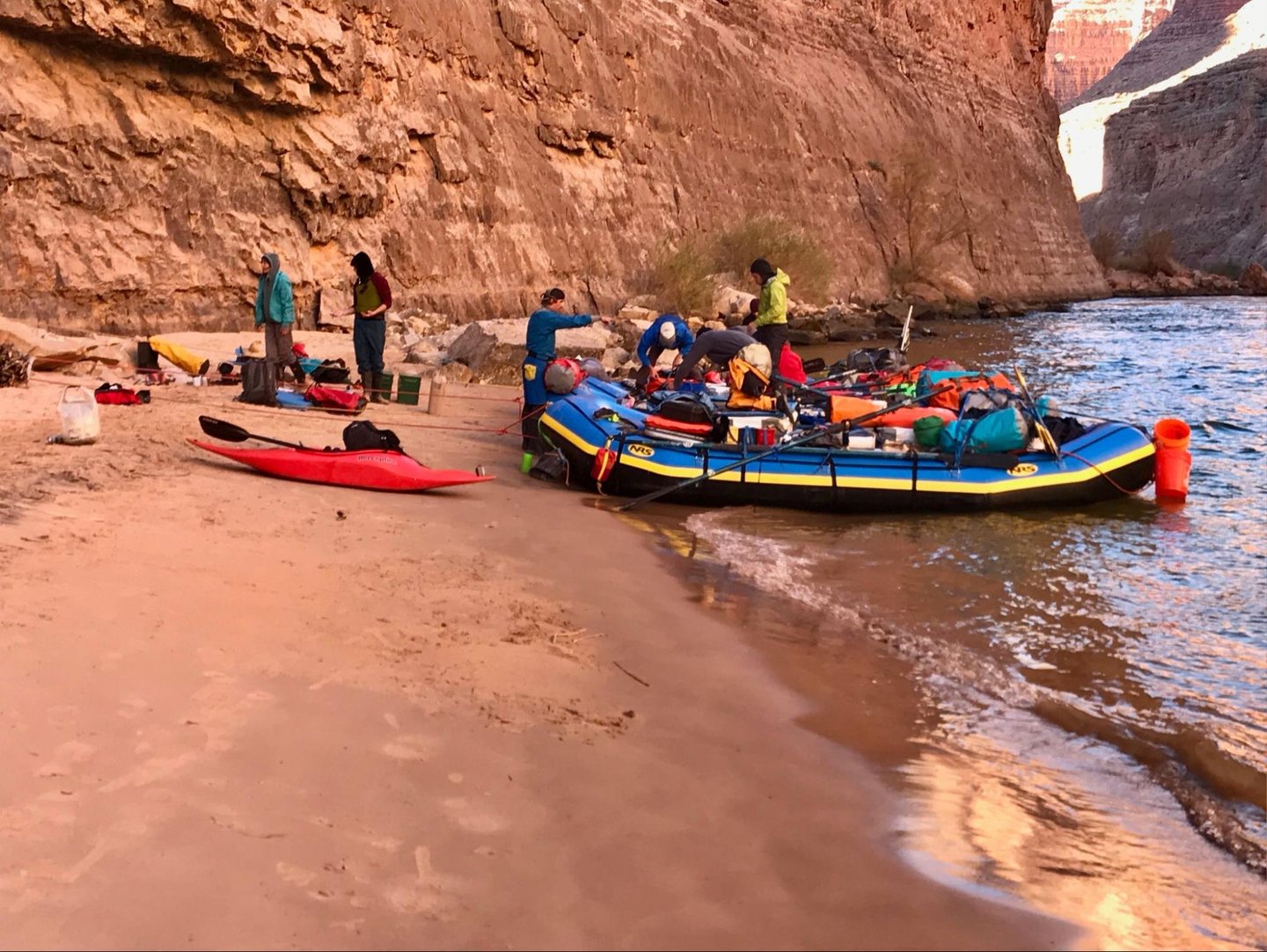
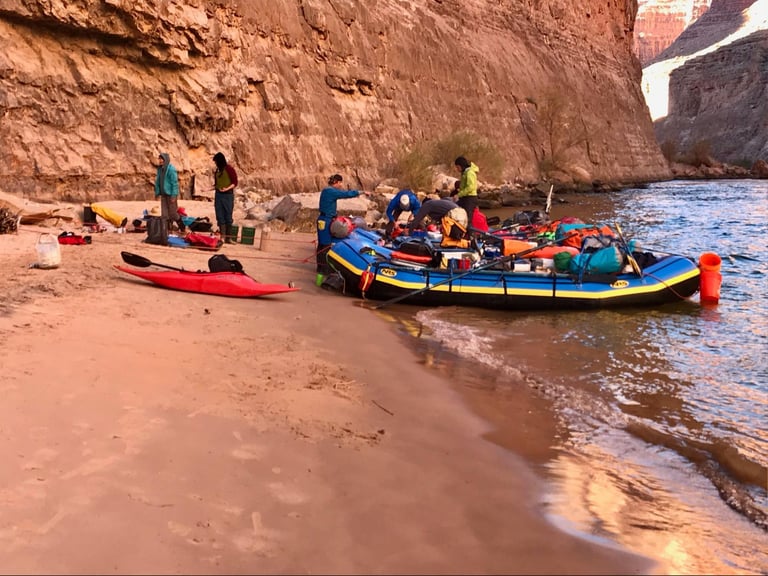
Winter Months
Layers. Layers. And a drysuit.
Winter rafting is not for the faint of heart. The water is freezing, the air is cold, and staying warm is non-negotiable.
Everything you pack for spring and fall? You’ll need it here too…just more of it.
Base layers
Leggings, long-sleeve wool/synthetic tops under your drysuit, and insulated pants for camp are crucial. You can wear them around the fire (so cozy), then sleep in them at night.
Bring multiple pairs in case anything gets wet.
Shoes
Ideal winter footwear includes:
Muck boots (insulated, waterproof, knee-high)
Astral or NRS water shoes
Hiking boots
Warm camp shoes
Muck boots are gold. Wear them while loading rafts in the morning so your feet stay dry, and around camp in the evening for warmth.
If space is tight, Gore-Tex hiking boots can double as camp shoes.
Insulated pants
I love insulated Carhartt overalls around the fire. Yes, they’re bulky, but they’re warm, durable, and you don’t have to worry about being cold. Worth it.
Winter hiking
Winter hiking is quiet, peaceful, and often wonderfully empty.
For hikes, wear leggings under your hiking pants. Once you’re moving, that’s usually plenty to stay warm.
Happy Rafting!
So that pretty much sums it up! Let me know if you want more specific tips, gear recommendations, or have questions you’d like me to cover. If you are local to the Grand Junction area and looking for rafting gear, I always recommend Wet Dreams River Supply, they have always taken care of me.
Carrie Raissle
Navigating the details, so you can run the river.
At Moki Canyon I remove the stress of trip planning so you can focus on what really matters, the joy of river running. With nearly two decades of river experience, I bring the enthusiasm of the water to every detail of your trip. Creating a fully customized plan for you and your river tribe.
© 2026. All rights reserved. Created by Nectagrity
Moki Canyon LLC | Based in Grand Junction, CO